#1 Scent Crafting with Orchid of Sentosa, Singapore
  • Home
    • About Us
    • Perfume Personality test >
      • 6 Question_Perfume Personality test
      • 10 Question_Perfume Personality test
      • 20 question_Perfume Personality test
      • Teen (6 question) Perfume Personality test
      • Teen (10 Question) Perfume Personality test
    • Perfume Personality test results >
      • Citrus - Perfume Personality
      • Fresh - Perfume Personality test results
      • Floral - Perfume Personality test results
      • Woody - Perfume Personality test results
      • Oriental- Perfume Personality test results
    • Download Guided meditation >
      • Download Citrus Guided meditation
      • Download Fresh Guided meditation
      • Download Floral Guided meditation
      • Download Woody Guided meditation
      • Download Oriental Guided meditation
    • Blog
  • Perfume Making
    • Tourists, Couples & Family
    • Bridal Shower & Birthday Party
  • Corporate Team Building
    • Perfume Team Building @Scentopia
    • Perfume Team Building @Client Location
    • Perfume Bar - Dnd & booth
    • Beach Team Building
    • Amazing race Team Building
    • Nature Walk at Sentosa - Team Building
    • Rainforest bathing Team Building
    • Corporate Gifts
  • Schools
    • Pre School Tours & Programs
    • Primary 1, 2, 3- School Tours & Programs
    • Primary 4, 5 & 6 - School Tours & Programs
    • Secondary 1 & 2 - School Tours & Programs
    • Secondary 3, 4 & 5 - School Tours & Programs
    • Higher Education Tours & Programs for ITE, Polytechnic & University, Industrial Excursion
    • Resources for ECA, Enrichment program providers & organizers
  • Contact
    • Direction & Parking
    • Operating Hours
    • FAQs
    • Media Kit
    • Affiliate Program
    • Travel agent area
  • Book Now
    • Book Perfume Making Workshop
    • Buy Gift Card
    • Redeem Gift Card
    • Venue Rental

3 Lessons on High-Performing Teams from TED Talks

Psychological Safety: The Cornerstone of Team Success
In a world driven by rapid innovation and complex problem-solving, the success of any organization hinges not only on individual talent but also on the collective power of teams. A vital yet often underestimated factor that underpins effective teamwork is psychological safety. This concept, eloquently discussed by researcher Brené Brown in her TED Talk titled "The Power of Vulnerability," highlights the significance of fostering an environment where team members feel secure enough to take risks, express vulnerability, and voice their thoughts without the fear of negative repercussions. In this article, we delve deeper into the essence of psychological safety and explore how it shapes team dynamics, enabling constructive conflict, seamless collaboration, and groundbreaking innovation.

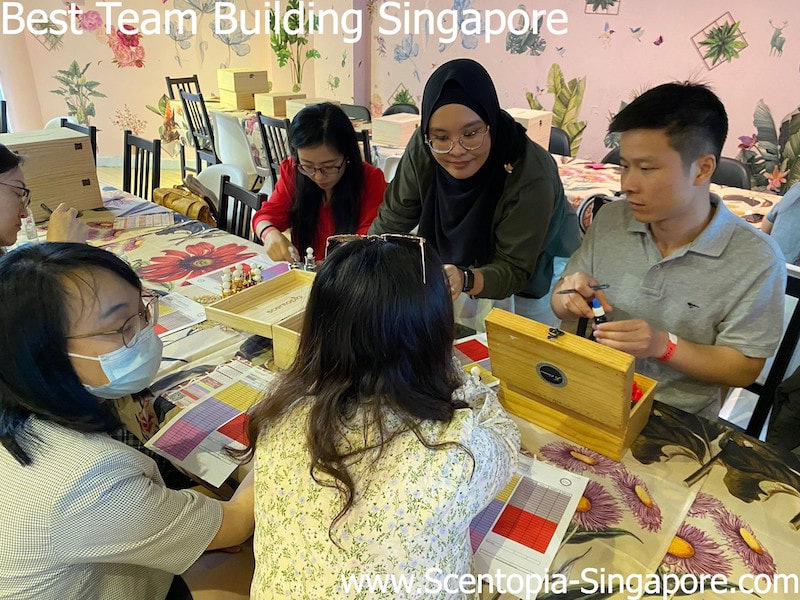
TED Talks Speaker Discussing High-Performing Teams

Introduction to Building Effective Teams


​The Foundations of Psychological Safety

Psychological safety refers to the shared belief within a team that one can take interpersonal risks without the fear of humiliation, punishment, or negative consequences. It provides a conducive space for open communication, diverse perspectives, and creative thinking. Brené Brown's insights underscore the idea that when team members feel emotionally supported and accepted, they are more likely to engage authentically and contribute meaningfully.
Creating psychological safety is akin to nurturing a garden. Just as plants need the right conditions to flourish—adequate sunlight, water, and nutrients—teams require an environment where trust, respect, and empathy thrive. When individuals sense that their opinions are valued, their mistakes are seen as learning opportunities, and their vulnerabilities are met with compassion, they become more willing to step out of their comfort zones, challenge the status quo, and explore uncharted territories.
​
Team Collaboration in a Workshop Setting

Lesson 1: The Power of Collaboration

The Role of Vulnerability in Psychological Safety
Brené Brown's emphasis on vulnerability is pivotal in understanding the dynamics of psychological safety. Vulnerability involves the willingness to expose one's authentic self, admit uncertainty, and ask for help when needed. In a psychologically safe team, vulnerability is not perceived as weakness; rather, it is celebrated as a sign of courage and authenticity.
When leaders and team members model vulnerability by admitting their limitations or sharing their failures, they create an environment that encourages others to do the same. This practice dismantles the façade of perfection and fosters a culture where it is acceptable to take calculated risks, express differing viewpoints, and learn from both successes and setbacks.
Illustration of Effective Leadership Techniques

Lesson 2: Leadership Insights for Success

Constructive Conflict and Growth
Healthy conflict is a natural outcome of psychological safety. When team members feel secure in expressing dissenting opinions or challenging prevailing norms, it leads to robust discussions that are essential for growth and innovation. In an environment devoid of psychological safety, individuals might avoid conflict to evade repercussions, resulting in superficial consensus and missed opportunities.
Contrastingly, when psychological safety is nurtured, team members can engage in constructive conflict where ideas are rigorously debated, and diverse perspectives are considered. These debates are not fueled by personal animosity but by the shared desire to arrive at the best possible solution. This process encourages critical thinking, deepens understanding, and ultimately leads to well-informed decisions.
​

Lesson 3: Strategies for Boosting Team Productivity

Collaboration and Synergy
Collaboration is the heartbeat of effective teamwork. Psychological safety facilitates collaboration by breaking down silos, encouraging knowledge sharing, and promoting collective problem-solving. When individuals feel safe to contribute their expertise without the fear of criticism or judgment, they are more likely to collaborate openly and tap into the collective intelligence of the team.
In an environment of psychological safety, team members are not hesitant to seek help or offer assistance when needed. They willingly pool their strengths and skills, leading to the emergence of synergy—the phenomenon where the collective output surpasses the sum of individual efforts. This collaborative synergy drives teams to accomplish tasks that would be daunting or even impossible for an individual to achieve alone.
Productive Team Brainstorming Session
Innovation and Creativity
Innovation thrives where creativity is nurtured, and psychological safety is the fertile ground in which creativity blossoms. When team members feel safe to experiment, share unconventional ideas, and challenge traditional approaches, they pave the way for breakthrough innovations.
In psychologically safe teams, mistakes are viewed as opportunities for learning rather than reasons for blame. This mindset removes the fear of failure, thus liberating individuals to explore unconventional paths and push the boundaries of what is possible. The result is a culture of continuous improvement, where experimentation is valued, and innovation becomes an integral part of the team's DNA.
Motivated Team Working Towards Success

The Importance of Teamwork in Today's Workplace


​Leadership's Role in Cultivating Psychological Safety

Leaders play a pivotal role in cultivating psychological safety within teams. Their behavior, attitudes, and actions set the tone for the team's dynamics. When leaders demonstrate vulnerability by admitting their mistakes or seeking input from their team, they encourage others to do the same. A leader who actively listens, encourages diverse perspectives, and responds empathetically sends a clear signal that psychological safety is a priority.
Effective leaders also ensure that mistakes are treated as opportunities for growth rather than as grounds for reprimand. They acknowledge that no one is infallible and that the journey to success is often paved with setbacks. By fostering a culture where learning from failures is encouraged, leaders create an environment that not only supports individual development but also drives collective progress.
Collaborative Workspace for Team Success

Lesson 1: Cultivating a Collaborative Team Culture

Fostering Psychological Safety: Practical Steps
Creating and sustaining psychological safety requires intentional efforts from both leaders and team members. Here are some practical steps that can be taken to foster psychological safety within teams:
  1. Lead by Example: Leaders should demonstrate vulnerability, acknowledge mistakes, and show that they value diverse perspectives.
  2. Active Listening: Encourage open dialogue by actively listening to team members' ideas and concerns. This validates their contributions and fosters a sense of belonging.
  3. Encourage Questions: Create a culture where asking questions is encouraged. This shows that curiosity and learning are valued, irrespective of hierarchy.
  4. Feedback as Growth: Position feedback as a tool for growth, not criticism. Constructive feedback helps individuals improve and contributes to the team's collective development.
  5. Celebrate Mistakes: Highlight instances where innovation emerged from failures. This normalizes the idea that setbacks are stepping stones to success.
  6. Inclusive Decision-Making: Involve team members in decision-making processes. This makes them feel valued and invested in the team's outcomes.
  7. Empathy and Support: Provide emotional support to team members during challenging times. This cultivates a sense of belonging and loyalty.
  8. Learning Culture: Promote continuous learning and professional development. When growth is prioritized, individuals feel more motivated to contribute their best.

Psychological safety stands as a cornerstone of team success in today's fast-paced and interconnected world. As Brené Brown eloquently discusses in her TED Talk "The Power of Vulnerability," an environment that fosters psychological safety empowers team members to take risks, embrace vulnerability, and express their thoughts without fear. This nurturing atmosphere promotes constructive conflict, seamless collaboration, and groundbreaking innovation. Leaders and team members must recognize the pivotal role they play in shaping this environment, as it is within the realm of psychological safety that teams can truly unleash their potential and achieve remarkable feats that were once thought to be unattainable.
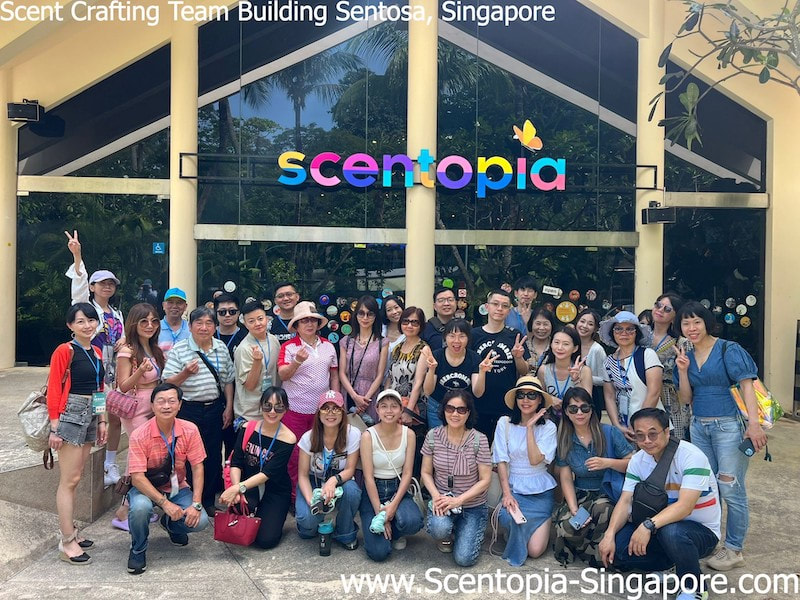
Team Bonding and Trust Building Activity

Lesson 2: Leading by Example and Inspiring Others

The Power of Diversity in Decision-Making: Unleashing Creativity and Inclusion
In an ever-evolving world, the ability to make effective decisions is a hallmark of success for individuals, organizations, and societies. Margaret Heffernan, in her illuminating TED Talk "Dare to Disagree," delves into the transformative potential of diversity in decision-making. Heffernan argues that assembling teams comprising individuals from varied backgrounds, experiences, and perspectives is a pivotal step towards achieving better, more informed decisions. By fostering an environment where dissent and open discourse are encouraged, diverse teams can unlock a wealth of creativity, resilience, and inclusivity in their problem-solving processes.
The Tapestry of Diversity
Diversity extends far beyond mere representation; it encompasses the rich tapestry of human experiences, cultures, and viewpoints. Heffernan's insight underscores the notion that when people with diverse backgrounds come together, they bring with them unique lenses through which they view the world. These diverse perspectives serve as catalysts for innovative thinking and lead to a more holistic examination of complex challenges.
Homogenous teams, while potentially efficient, often lack the dynamism required to address multifaceted issues. In contrast, diverse teams draw on a spectrum of viewpoints, enabling them to identify blind spots, anticipate unconsidered factors, and arrive at comprehensive solutions. By embracing these differences, teams can tap into a wellspring of creativity that would remain untapped in a uniform group.
Constructive Disagreement and Robust Solutions
Heffernan's argument hinges on the concept of "productive disagreement." This involves team members challenging each other's assumptions, beliefs, and viewpoints through healthy debate. Such constructive conflict, when rooted in mutual respect, leads to a more thorough examination of ideas and the exploration of alternative solutions.
When individuals from diverse backgrounds engage in dialogue, they expose themselves to a wide array of perspectives that challenge their own preconceptions. This intellectual friction spurs critical thinking, sharpens arguments, and fortifies the decision-making process. The result is not just a solution, but a robust and resilient one, molded through the fires of debate and enhanced through the amalgamation of diverse insights.
Inclusivity and Empathy: The Outcomes of Diversity
Diversity goes beyond enhancing decision-making—it paves the way for inclusivity and empathy. When people with different experiences collaborate, they develop a deeper understanding of one another's viewpoints. This shared understanding fosters an environment where individuals feel valued, heard, and respected. As a result, decisions are crafted with the consideration of a broader spectrum of needs and perspectives, ensuring that no group is marginalized or overlooked.
Inclusive decision-making recognizes the multidimensionality of challenges and seeks solutions that accommodate the diverse needs of stakeholders. This approach not only yields more equitable outcomes but also strengthens the sense of unity and cohesion within the team.
Overcoming Challenges for Inclusive Decision-Making
Despite its potential, diverse decision-making is not without challenges. The presence of differing viewpoints can lead to conflicts if not managed effectively. Heffernan's insights suggest that overcoming these challenges requires fostering a culture of open communication and mutual respect. It demands that individuals develop the skills to listen actively, communicate clearly, and engage in debates that are driven by the quest for truth rather than ego.
Furthermore, organizations must address biases—both conscious and unconscious—that might influence decision-making processes. By acknowledging these biases and actively working to mitigate their impact, teams can ensure that their decisions are grounded in objective analysis rather than predispositions.
Cultivating Diversity for Better Decisions: Practical Steps
To harness the power of diversity for improved decision-making, organizations can consider the following steps:
  1. Inclusive Team Composition: Form teams with members from various backgrounds, cultures, and expertise to foster a spectrum of viewpoints.
  2. Encourage Open Dialogue: Promote an environment where respectful disagreement is welcomed and valued.
  3. Skill Development: Provide training in effective communication, conflict resolution, and empathy to enhance collaboration within diverse teams.
  4. Mitigate Biases: Implement processes that identify and address biases in decision-making to ensure fairness and objectivity.
  5. Leadership Commitment: Leaders should actively endorse and model inclusive decision-making, setting the tone for the entire organization.


Margaret Heffernan's "Dare to Disagree" illuminates the transformative power of diversity in decision-making. Diverse teams, composed of individuals with distinct perspectives, experiences, and backgrounds, possess the capacity to unlock creative solutions that resonate with the complexities of our world. Through constructive disagreement, they refine their ideas, challenge their assumptions, and arrive at decisions that are both innovative and inclusive. By embracing diversity, organizations not only elevate their decision-making processes but also foster a culture of empathy, equity, and collaboration—an essential combination for navigating the challenges of a rapidly changing global landscape.
Successful Teamwork in Modern Business

Lesson 3: Encouraging Innovation and Creative Thinking

Nurturing Team Growth Through Communication and Feedback
Effective teamwork is the cornerstone of success in any endeavor, and the foundation of strong teamwork lies in open communication and constructive feedback. Dr. Ivan Joseph's enlightening TED Talk, "The Skill of Self-Confidence," sheds light on the indispensable role of these two elements in fostering high-performing teams. By embracing a culture of transparent communication and providing feedback in a manner that nurtures growth, teams can unlock their full potential, cultivate continuous improvement, and forge unbreakable bonds of trust and collaboration.
The Art of Communication
Dr. Joseph's message resonates deeply in an era where collaboration transcends boundaries and complex challenges demand collective effort. Effective communication is the adhesive that binds team members together, enabling them to share ideas, align goals, and navigate through obstacles with clarity.
Clear and respectful communication prevents misunderstandings, minimizes conflicts, and fosters a sense of shared purpose. When team members express their thoughts openly and actively listen to one another, it lays the groundwork for a cohesive and harmonious working environment. Dr. Joseph's insights remind us that fostering effective communication is not just about conveying information—it's about building connections, understanding, and a shared sense of belonging.
The Gift of Feedback
Feedback, often regarded as a gift, is a catalyst for growth. Constructive feedback offers team members valuable insights into their strengths and areas for improvement. When delivered with empathy and a growth-oriented mindset, feedback has the power to inspire transformational change and elevate performance to new heights.
Dr. Joseph's emphasis on feedback aligns with the idea that individuals and teams flourish when they understand their areas of excellence and areas in need of development. By providing feedback thoughtfully and receiving it with an open heart, team members create a supportive ecosystem where personal and collective growth become the norm. The synergy between feedback and self-improvement propels teams forward on their journey to excellence.
Cultivating a Culture of Growth
To implement Dr. Joseph's insights into team growth, organizations can consider the following strategies:
  1. Open Channels of Communication: Foster an environment where team members feel empowered to voice their thoughts, concerns, and ideas without hesitation.
  2. Active Listening: Train team members to practice active listening, encouraging them to fully absorb and understand the messages being conveyed.
  3. Feedback Framework: Develop guidelines for providing feedback that are grounded in respect, objectivity, and a commitment to growth.
  4. Growth Mindset: Instill a growth mindset within the team, where challenges and setbacks are seen as opportunities for learning and improvement.
  5. Regular Check-Ins: Establish regular check-ins to provide a platform for feedback exchange and to ensure that team members are aligned in their goals.
  6. Celebrate Progress: Acknowledge and celebrate the progress made by individuals and the team as a whole, reinforcing the importance of growth.
​
Trust: The Heartbeat of Communication and Feedback
At the core of Dr. Joseph's message lies the concept of trust. Effective communication and feedback flourish in an atmosphere of trust and psychological safety. When team members trust each other's intentions and believe that their contributions are valued, they are more likely to communicate openly and accept feedback with grace.
Trust is a two-way street, and it is built through consistent actions and demonstrated reliability. Leaders play a crucial role in setting the tone for trust within the team. By being transparent, consistent, and approachable, leaders can create an environment where team members feel comfortable engaging in open communication and seeking feedback.


Dr. Ivan Joseph's TED Talk, "The Skill of Self-Confidence," resonates as a guidepost for teams aspiring to excel. Effective communication and constructive feedback are not just tools for operational success; they are the lifeblood that nourishes team growth, nurtures individual potential, and fortifies the bonds of collaboration. By embracing these principles, teams can create an ecosystem where ideas flourish, talents are honed, and trust flourishes, paving the way for accomplishments that transcend expectations and stand as a testament to the power of unity and shared purpose.
 
In a TED talk, the speaker poses a scenario where one is given 20 uncooked spaghetti sticks, 1 yard of masking tape, 1 yard of string, and 1 marshmallow, and asked to build a tower with the marshmallow on top. Surprisingly, this exercise provides valuable insights into creating high-performing teams. The speaker shares three important lessons that can be learned from this activity.
 
Diverse Team Members Working Together
Here's a suggestion: As you are already forming a high-performing team in your workplace, why not try out the marshmallow experiment with your co-workers? It could be a fun activity to observe team dynamics. Alternatively, you could watch the brief TED Talk on creating high-performing teams below. It's less than seven minutes long but packed with insights on building a successful team! Do you believe there are other crucial elements that contribute to building a high-performance team? Feel free to share them with us in the comments section!

 
Join Scentopia, Sentosa's latest tourist attraction wonderful orchid scent crafting, fragrance tour, bridal shower or corporate team building which includes perfume making onsite and offsite, beach activities and more. We also serve primary school learning journey, secondary students and pupil on industrial excursions. Know more about our orchids perfume bar or therapeutic orchid scents and other wellness aromas. Conatct Perfume workshop or book a scent crafting session here.

Location

Visitor Agreement - Please read
36 Siloso Beach Walk, Sentosa, Singapore

User Sitemap | Scentopia

Contact Us

    Subscribe Today!

Submit
  • Home
    • About Us
    • Perfume Personality test >
      • 6 Question_Perfume Personality test
      • 10 Question_Perfume Personality test
      • 20 question_Perfume Personality test
      • Teen (6 question) Perfume Personality test
      • Teen (10 Question) Perfume Personality test
    • Perfume Personality test results >
      • Citrus - Perfume Personality
      • Fresh - Perfume Personality test results
      • Floral - Perfume Personality test results
      • Woody - Perfume Personality test results
      • Oriental- Perfume Personality test results
    • Download Guided meditation >
      • Download Citrus Guided meditation
      • Download Fresh Guided meditation
      • Download Floral Guided meditation
      • Download Woody Guided meditation
      • Download Oriental Guided meditation
    • Blog
  • Perfume Making
    • Tourists, Couples & Family
    • Bridal Shower & Birthday Party
  • Corporate Team Building
    • Perfume Team Building @Scentopia
    • Perfume Team Building @Client Location
    • Perfume Bar - Dnd & booth
    • Beach Team Building
    • Amazing race Team Building
    • Nature Walk at Sentosa - Team Building
    • Rainforest bathing Team Building
    • Corporate Gifts
  • Schools
    • Pre School Tours & Programs
    • Primary 1, 2, 3- School Tours & Programs
    • Primary 4, 5 & 6 - School Tours & Programs
    • Secondary 1 & 2 - School Tours & Programs
    • Secondary 3, 4 & 5 - School Tours & Programs
    • Higher Education Tours & Programs for ITE, Polytechnic & University, Industrial Excursion
    • Resources for ECA, Enrichment program providers & organizers
  • Contact
    • Direction & Parking
    • Operating Hours
    • FAQs
    • Media Kit
    • Affiliate Program
    • Travel agent area
  • Book Now
    • Book Perfume Making Workshop
    • Buy Gift Card
    • Redeem Gift Card
    • Venue Rental